Backpacking is one of my passions. I enjoy the physical challenge of hiking several miles but the views along the way are worth every step. One thing I’ve learned over the years is that the weather in the mountains is difficult to predict. Nature will impose its will on you no matter how many fancy gadgets you have in your backpack to predict the weather.
One reason it’s difficult to predict mountain weather is that it can change quickly and it differs whether you are at the base of a mountain or near a peak. Another reason is there are typically no weather stations in the mountains so forecasts from your app are for the nearest town and not your location on the mountain. I know of one in the White Mountains called the White Washington Observatory. Check it out: https://mountwashington.org/
During my hikes, I’ve experienced drizzle, hard rain, hail, snow, excessive winds and lighting. The funny thing is the days typically started with nice weather. During one trip in the Colorado Rockies, a severe storm approached quickly and I was watching it intently during my lunch break at the peak. It was the first time I had to run on a trail to get to the tree line to minimize my exposure to lighting. Here is my tip, avoid running on a rocky trail during rain. A fall is certainly just as dangerous as a lightening strike. I was fortunate I did not fall but my adrenaline was high to get out of harms way.
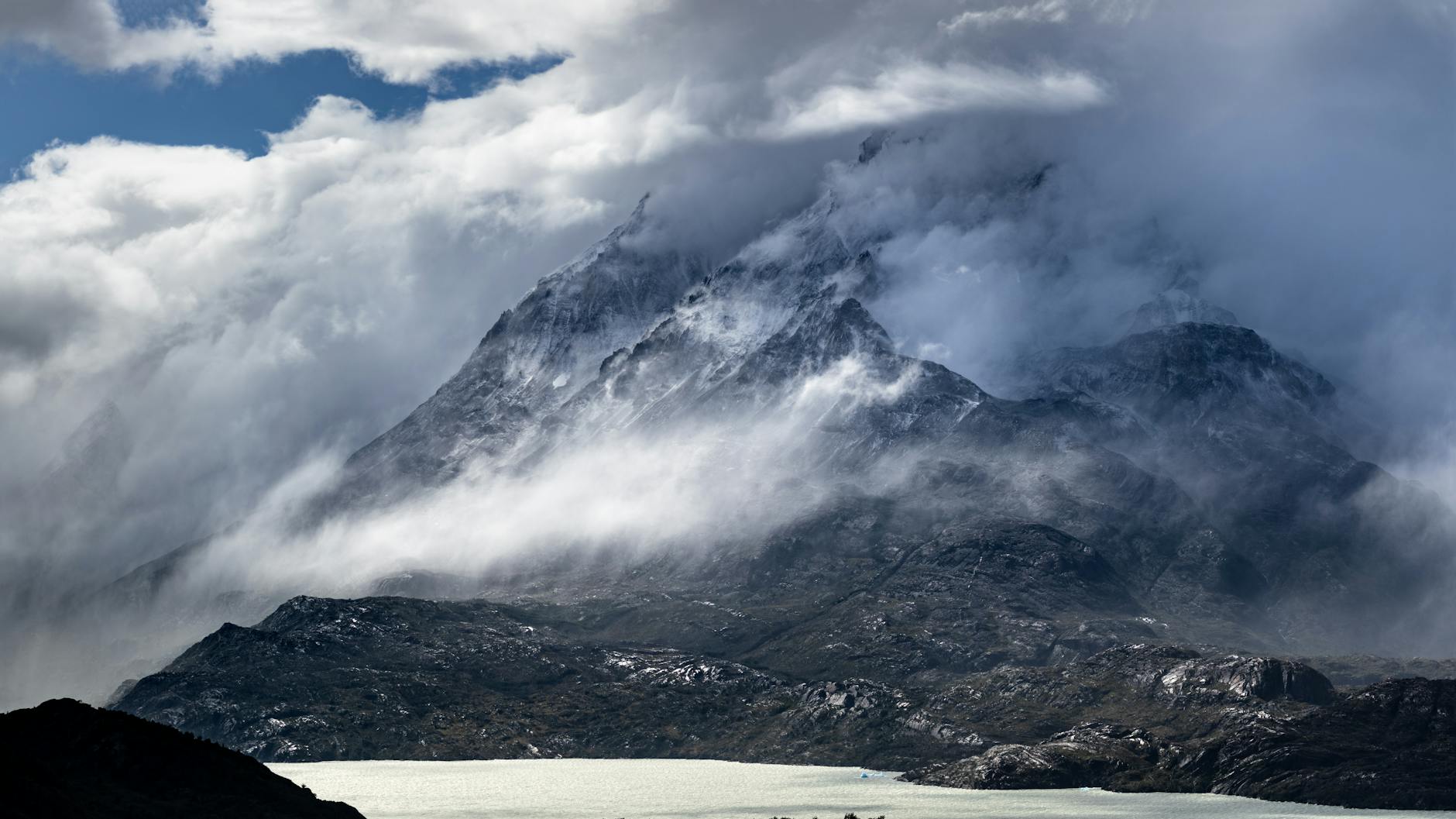
How does one prepare for unpredictable weather? Careful planning is key.
- Gadgets like phones, watches or GPS units with weather forecasts are helpful but are not fully reliable.
- Dress in layers. You need rain gear and clothing to keep you warm.
- Shelter. If you cannot get to a shelter, a tent or tarp can help protect you from the elements.
- A map and backup plans. How far are you from the nearest trailhead, shelter or places to pitch your tent? I’ve been on rocky ridgelines where there is no place to pitch a tent. I planned “exit” points or trails I could take to pitch a tent near tress where I wouldn’t be exposed. Even these options would be difficult to execute in bad weather due to the miles needed to walk to get to specific trails.
Regarding project management, something will inevitably go wrong or happen differently from what you predicted. Remember the mountain weather analogy to plan ahead and revisit your plans periodically to adapt to current conditions.
 PlanningFallacy.com